Business Name: BeeHive Homes of Goshen
Address: 12336 W Hwy 42, Goshen, KY 40026
Phone: (502) 694-3888
BeeHive Homes of Goshen
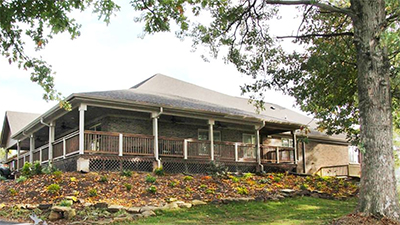
We are an Assisted Living Home with loving caregivers 24/7. Located in beautiful Oldham County, just 5 miles from the Gene Snyder. Our home is safe and small. Locally owned and operated. One monthly price includes 3 meals, snacks, medication reminders, assistance with dressing, showering, toileting, housekeeping, laundry, emergency call system, cable TV, individual and group activities. No level of care increases. See our Facebook Page.
12336 W Hwy 42, Goshen, KY 40026
Business Hours
Monday thru Sunday: 7:00am to 7:00pm
Facebook: https://www.facebook.com/beehivehomesofgoshen
Families hardly ever pertained to the choice about assisted living in a straight line. It normally follows months, in some cases years, of small ideas. The range left on. The stack of unopened mail. The fall that shakes everybody more than the medical professional's report suggests. Then there are the quieter indications: the friend group shrinking, the television on during every meal, the garden that used to flower now irregular and brown. When you specify of checking out senior living alternatives, it assists to have a practical map and a method to listen for the best signals.
This guide draws from years of walking households through trips, evaluations, and the first couple of months after move-in. It covers how assisted living differs from memory care and respite care, what to ask beyond the sales brochure, and how to weigh the intangibles that make a location feel like home. It does not go for a perfect answer, because real life rarely offers one. It aims for a well-chosen next step.
When is it time to move?
Assisted living is designed for older grownups who wish to preserve self-reliance however require aid with some activities of daily living: bathing, dressing, managing medications, preparing meals, or navigating securely. Individuals typically wait for a significant event, yet the much better limit is a pattern. If you can point to three or more areas where your parent or spouse struggles consistently, you are in the zone where a relocation can increase security and lifestyle, not simply reduce risk.
Look at the cost side as well. If you accumulate home care hours, transport services, meal shipment, cleaning, and modifications to your home, the monthly spend can come close to, and even exceed, assisted living fees. The intangible costs matter too. If your loved one barely leaves the house, prevents cooking because it feels like a problem, or counts on you for most social contact, solitude is typically the genuine chauffeur. Lots of citizens inform me 6 weeks after moving, "I didn't recognize how quiet my days had become."
Memory care fits a different profile. It is appropriate for people with Alzheimer's disease or other dementias who need protected environments, streamlined regimens, and staff trained in redirection and interaction methods customized to cognitive changes. Some assisted living communities have a dedicated memory care wing, while others are different centers. If your loved one wanders, forgets the purpose of familiar objects, struggles in brand-new environments, or becomes anxious late in the afternoon, memory care is most likely the much safer fit.
For families not ready for a full relocation, respite care can be a bridge. Many neighborhoods offer short stays, generally 2 to 8 weeks. Respite care provides a supplied home, meals, activities, and individual care. It offers caretakers a much-needed break and supplies a low-commitment trial. I have actually seen skeptics adopt 2 weeks and decide to remain after discovering how much better they feel with structure and company.
Understanding levels of care and what they really mean
"Assisted living" is a broad term. Within it, communities appoint levels of care based upon a nurse evaluation. Levels typically range from minimal assistance to complicated care. They correspond to staff time and frequency of services, which suggests they also impact cost. Check out the care strategy thoroughly. 2 communities might explain similar support very in a different way. One might consist of medication management at level one, the other at level 2. One may bundle bathing 3 times a week, while another charges per bath beyond a set number.
Ask how care requirements are re-evaluated. After move-in, many neighborhoods reassess at 30 days, then quarterly or when there's a health change. The very first month often exposes a more precise baseline, given that people underreport needs throughout tours out of pride. Clarify how rate changes are interacted. A fair policy consists of a composed notification period and a clear reason tied to the care plan.
A particular example assists. I worked with a daughter whose mother required tips and aid with morning regimens, plus guidance for a brand-new insulin program. Community A quoted a base rent plus a mid-level care plan that included medication administration four times daily. Community B charged a lower base rent however added separate fees for injections, extra medication passes, and blood sugar checks, which pressed the month-to-month cost higher than A. On paper B looked cheaper. On a full month's rhythm, the reverse was true.
The cash discussion: expenses, increases, and what to expect
Families typically brace for the preliminary price and ignore how costs move over time. Start with ranges. In numerous areas, assisted living base lease for a studio or one-bedroom runs from moderate to high, formed by area and features. Care charges can add a couple of hundred to a number of thousand dollars monthly. Memory care is normally higher than assisted living due to the fact that staffing is more intensive.
There are 3 buckets to analyze: base rent, care charges, and supplementary charges. Supplementary products consist of medication packaging, incontinence products, transport beyond a set radius, cable or web if not consisted of, and visitor meals. Neighborhoods typically increase rates as soon as a year. The typical annual boost has often fallen in the mid-single-digit percent range, but it can spike after remodellings or substantial inflation. Request for the five-year history of increases and for any caps or guarantees.
Funding sources differ. Many residents pay privately from cost savings, pensions, or home-sale earnings. Long-lasting care insurance coverage, if in force, might cover an everyday or month-to-month amount towards care and in some cases base rent. Veterans Help and Presence can offer a monthly benefit to qualified veterans and partners. Medicaid waivers might assist in some states, but access and protection vary. Honest suppliers put these options on the table early and assist collect the required documentation. You need to never ever feel shocked by the first invoice.
Tour with all your senses
A sales brochure can't tell you how a place feels at 3 p.m. on a Tuesday. When you tour, leave space for your own impression. Expect body movement. Are homeowners making eye contact, chatting in corners, sticking around over coffee? Or do they sit idly dealing with a tv? Pop your head into a physical fitness class or a craft session. Ask to see the kitchen and the nurse's workplace. You can find out a lot from the whiteboard notes, how thoroughly medications are kept, and whether the dishwasher cycles are published and logged.
Pay attention to sound. Some bustle is great. Chronic sound, specifically loud tvs in common locations, wears people down. Sniff the air. Periodic smells take place, consistent smells suggest staffing or housekeeping gaps. Meet the executive director and the nurse who oversees care. The tone of the leadership sets the culture. If they keep in mind locals' names and swap little stories, that's a good sign. If they prevent specifics and guide you back to the chandelier in the lobby, be cautious.
Timing matters. Visit throughout a meal. Taste the food. Ask a resident what they like, and what they would change. Return unannounced at a various time, perhaps early evening or on a weekend. Staffing swings expose themselves then. On one weekend tour I saw a maintenance tech aid locals set up for bingo, then repair a television in a room without hassle. It informed me the team collaborated, not just within task descriptions.
Assisted living vs. memory care: different goals, different measures
Assisted living intends to support independence and lower friction in life. Success appears like citizens picking their regimens, signing up with the occasions they enjoy, and sensation safe in their apartment or condos. Memory care focuses on convenience, predictability, and meaningful engagement without overstimulation. Success looks like less distressed episodes, better sleep, mild redirection during hard moments, and moments of pleasure that might not match a calendar however appear in smiles and unwinded shoulders.
Design supports the objective. In assisted living, bigger apartments and more open movement between areas suit people who navigate with cues and can manage an essential fob or bracelet. In memory care, much shorter corridors, circular walking paths, shadow boxes with individual pictures outside doors, and safe outdoor spaces reduce agitation and make wayfinding much easier. Personnel ratios in memory care are typically greater. The best programs train staff member to approach from the front, usage simple choices, and turn care moments into human moments. A hair wash can feel like an intrusion or like a spa day. The distinction is technique, rate, and trust built over time.
One family I dealt with kept their father in assisted living for too long since he had excellent days that masked the pattern. He started roaming at night and knocking on neighbors' doors. The transfer to memory care, which they feared would feel restrictive, in fact opened his world. He walked securely in the protected garden, helped set tables, and required far less antianxiety medications. The right setting is not about "more care." It has to do with the ideal kind of support.
What quality looks like behind the scenes
Quality in senior care trips on three rails: staffing, clinical oversight, and culture. You will hear a lot about features. They are pleasant. They are not the rail.
Staffing matters more than practically anything else. Inquire about personnel period, the portion of full-time to company personnel, and how often the very same caregivers are designated to the same residents. Consistency builds trust. Turning faces every week is hard for anyone, specifically for individuals with memory modifications. If turnover is high, ask why and what the community is doing about it. I take note of how quickly a call light is answered during a tour, and whether an employee who is not "on" the tour stops to say hi to locals by name.
Clinical oversight indicates routine nursing assessments, medication evaluations, and coordination with outdoors providers like home health or hospice when required. Ask how the group interacts with families about changes. An excellent community calls early, not only when there is a fall. They may state, "We saw your mom leaving food on the ideal side of the plate. We're inspecting her vision." That kind of observation catches concerns before they end up being crises.
Culture is the hardest piece to fake. I try to find small rituals. Do personnel sit and consume with residents occasionally? Exist pictures of citizens leading activities, not simply getting involved? Does the monthly calendar show real interests or generic fillers? A well-run memory care area might have a clothes hamper of towels for homeowners who discover comfort in folding or a memory nook with familiar tools for someone who was a carpenter. These touches tell you the team understands each person's life story.
Safety without stripping dignity
Families worry about security, and rightly so. The best communities consider security as a foundation that fades into the background of daily life. Safe entry systems, get bars, walk-in showers with seating, good lighting, and non-slip flooring should feel basic, not medical. For locals with dementia, secure yards let people move easily without the risk of straying home. Door alarms and wearable devices can be helpful. Still, monitoring is not care. The much better approach sets innovation with human presence.
Medication management is worthy of special attention. Errors decrease when neighborhoods utilize drug store blister packs or confirmed electronic dispensing systems and when nurses or trained med techs administer doses. Ask if they perform regular medication audits, specifically after hospitalizations. Shifts are where mistakes slip in. A skilled group fixes up discharge instructions with the existing list, captures duplications, and reaches the prescriber when something looks off.
Falls are another reality. No setting can remove them entirely. An excellent neighborhood focuses on fall avoidance through strength and balance shows, routine foot and shoes checks, and thoughtful furnishings placement. After a fall, they perform an origin evaluation: time of day, conditions, medication negative effects, lighting, hydration. The goal is to decrease recurrence, not appoint blame.
Daily life: what regimens feel like from the inside
Put yourself in your loved one's shoes. Early mornings set the tone. In a strong assisted living program, caregivers greet citizens with regard, deal choices, and keep a predictable sequence. The day unfolds with light structure: fitness class, lunch with a couple of pals, perhaps a book club or a flower-arranging workshop, an afternoon trip in the community's van, then supper and a film or music performance. Individuals who choose quieter days need to find nooks to read or enjoy birds without the pressure to sign up with every activity.
Food is more than nutrition. Shared meals produce a natural anchor for neighborhood. Ask about the menu cycle, seasonal alternatives, and how the kitchen area manages special diet plans or preferences. A resident who likes a half sandwich with soup at midday rather of a hot entrée should not feel like a burden. Enjoy the servers. The best ones notice when somebody's hunger dips and use smaller parts or familiar favorites. Hydration stations with fruit-infused water supply a small however meaningful boost, particularly in the summer.
In memory care, activities look various. The day may start with gentle music and stretching, a short walk in the garden, and time in a tactile station with material swatches or bean bags. The group typically shapes engagement around themes that resonate: a "travel day" with maps and postcards, a "kitchen area day" with safe jobs like blending or peeling, or a "guys's group" that polishes wooden blocks or sorts hardware. These are not busywork when succeeded. They take advantage of long-held identities.
How to include your loved one in the decision
Autonomy matters, even when support is needed. Present the relocation as a choice, not a decision. Share the goals you both desire, such as fewer worries about the shower or more company at meals. Tour together when possible. Let your loved one respond to the atmosphere instead of the cost sheet. A father who resists the concept of "assisted living" may warm to a place where the woodworking club satisfies two times a week and displays tasks in the lobby.
If verbal processing is difficult for your loved one, provide smaller decisions: selecting the house color scheme from 2 choices, selecting which images to hang, or selecting bed linen. Bring familiar furniture. One resident I relocated demanded his recliner and a particular light. Everything else might alter, but not those. That anchor made the new space feel safe on the first night.
When somebody deals with dementia, keep explanations basic and kind. Frame the walk around convenience and assistance. Avoid arguing about deficits. Instead of "You can't live alone any longer," attempt "This place has people around and a garden you will love." On relocation day, keep goodbyes brief and encouraging. Lingering in tears can heighten anxiety for both of you.
Working with the care team after move-in
The first month sets patterns. Go to the care plan meeting. Share information that don't appear on medical forms, such as bathing preferences or how your mother likes her tea. Offer the team a one-page life story: work background, pastimes, important relationships, preferred music, spiritual practices, and what soothes or agitates your loved one. The more concrete, the better. "He whistles when he's distressed" helps staff check out cues.
Communication should be two-way. You wish to hear proactive updates, and the group wants your insights. Pick a primary point of contact to avoid mixed messages. If something troubles you, bring it up early with specifics. "Twice this week, Mom's 5 p.m. dosage was late by an hour," lands better than "The meds are always late." Likewise notice what is working out and say it. Appreciation improves spirits and keeps excellent team members around.
Care requirements will evolve. A strong assisted living neighborhood can partner with home health nursing or treatment for short stints after a disease. Hospice can layer onto both assisted living and memory care when the time comes, focusing on convenience while the resident remains in their familiar setting. Ask how the neighborhood manages end-of-life care. It tells you a lot about their values.
What to ask during trips and interviews
Use concerns to draw out how the neighborhood thinks, not just what it provides. You do not require a long list, just the right ones. Here is a compact list created for clarity rather than breadth.
- How do you figure out levels of care, and how frequently are care strategies updated? What is your staff-to-resident ratio by shift, and how much do you rely on agency staff? How do you manage a resident's modification in condition, consisting of hospitalizations and returns? What are your total monthly expenses for my loved one's most likely requirements, consisting of secondary fees? Can we visit at various times, and can my loved one join an activity or meal throughout a visit?
Listen as much to how the responses are delivered as to the material. Clear, specific responses signal a group that has actually done the work. Vague assurances, or pressure to deposit before you are ready, are red flags.
Comparing choices without losing the human element
It assists to produce a comparison sheet in plain language. List the top three communities. Keep in mind how your loved one felt in each, the staff interactions you observed, home features that really matter, and the genuine monthly expense including care. Prevent letting granite countertops sway you more than constant caretakers. Charm has value, yet reliability at 7 a.m. implies more than a chandelier at noon.
One family I supported rated neighborhoods across five categories: safety, staffing stability, engagement, food, and house feel. Each classification got a rating, and they added subjective notes like "Mom smiled three times here" or "Dad asked about the woodworking space once again." The notes wound up carrying as much weight as ball games, which is appropriate. Individuals flourish in locations where they feel seen.
Red flags worth heeding
You will seldom experience a place that fails on every front. More often, a couple of issues offer you sufficient time out to keep looking. Focus on these patterns.
- High personnel turnover integrated with regular usage of company staff. Poor housekeeping or relentless smells in multiple areas. Defensive responses when you inquire about occurrences or care changes. Activity calendar that looks robust however appears sparsely attended. Incomplete or confusing answers about prices and increases.
Any among these may be explainable in context. Numerous together normally anticipate ongoing frustration.
If the very first choice doesn't work, you still have options
Sometimes the match misses out on. A resident may decline quickly after a health center stay, pressing beyond what assisted living can safely support. Or the social scene that looked dynamic on tour feels overwhelming in life. You can change. Care plans modification. A move from assisted living to memory care within the exact same community is common and typically smoother than crossing town. If your loved one is isolated on a big school, a smaller house could feel better. If you find the opposite, a bigger setting can offer more range and energy.
Respite care is your ally here. Use it once again as a reset, maybe after a family trip, a surgery, or merely to test a various community. The objective is not to get it ideal the first time. The objective is to keep lining up assistance with requirements and choices as they evolve.
Balancing head and heart
Choosing a community for elderly care sits at the crossway of head and heart. You are stabilizing security, finances, and logistics with love, history, and the hope that your parent or spouse will feel comfortable. You will second-guess yourself. A lot of households do. What I can provide from years of senior care work is this: individuals often do much better than they envision. With help in the ideal places, days open. Meals have business again. Showers take less energy. Medications become routine rather than puzzles. And families get to spend time being family again, not simply the de facto care team.
You assisted living beehivehomes.com do not need to navigate this alone. Ask concerns. Visit more than as soon as. Use respite care if you are uncertain. Think about memory care when patterns point that way. Be truthful about costs and care needs. And when your gut tells you that a neighborhood fits, listen. The ideal assisted living or memory care center is more than a building. It is a network of people, habits, and little everyday kindnesses. Those are the important things that make a location feel like home.
BeeHive Homes of Goshen provides assisted living care
BeeHive Homes of Goshen provides memory care services
BeeHive Homes of Goshen provides respite care services
BeeHive Homes of Goshen supports assistance with bathing and grooming
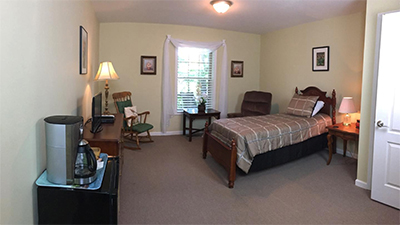
BeeHive Homes of Goshen offers private bedrooms with private bathrooms
BeeHive Homes of Goshen provides medication monitoring and documentation
BeeHive Homes of Goshen serves dietitian-approved meals
BeeHive Homes of Goshen provides housekeeping services
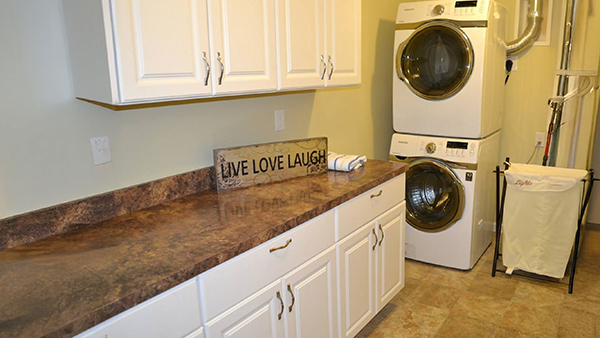
BeeHive Homes of Goshen provides laundry services
BeeHive Homes of Goshen offers community dining and social engagement activities
BeeHive Homes of Goshen features life enrichment activities
BeeHive Homes of Goshen supports personal care assistance during meals and daily routines
BeeHive Homes of Goshen promotes frequent physical and mental exercise opportunities
BeeHive Homes of Goshen provides a home-like residential environment
BeeHive Homes of Goshen creates customized care plans as residents’ needs change
BeeHive Homes of Goshen assesses individual resident care needs
BeeHive Homes of Goshen accepts private pay and long-term care insurance
BeeHive Homes of Goshen assists qualified veterans with Aid and Attendance benefits
BeeHive Homes of Goshen encourages meaningful resident-to-staff relationships
BeeHive Homes of Goshen delivers compassionate, attentive senior care focused on dignity and comfort
BeeHive Homes of Goshen has a phone number of (502) 694-3888
BeeHive Homes of Goshen has an address of 12336 W Hwy 42, Goshen, KY 40026
BeeHive Homes of Goshen has a website https://beehivehomes.com/locations/goshen/
BeeHive Homes of Goshen has Google Maps listing https://maps.app.goo.gl/UqAUbipJaRAW2W767
BeeHive Homes of Goshen has Facebook page https://www.facebook.com/beehivehomesofgoshen
BeeHive Homes of Goshen won Top Assisted Living Homes 2025
BeeHive Homes of Goshen earned Best Customer Service Award 2024
BeeHive Homes of Goshen placed 1st for Senior Living Communities 2025
People Also Ask about BeeHive Homes of Goshen
What does assisted living cost at BeeHive Homes of Goshen, KY?
Monthly rates at BeeHive Homes of Goshen are based on the size of the private room selected and the level of care needed. Each resident receives a personalized assessment to ensure pricing accurately reflects their care needs. Families appreciate our clear, transparent approach to assisted living costs, with no hidden fees or surprise charges
Can residents live at BeeHive Homes for the rest of their lives?
In many cases, yes. BeeHive Homes of Goshen is designed to support residents as their needs change over time. As long as care needs can be safely met without requiring 24-hour skilled nursing, residents may remain in our home. Our goal is to provide continuity, comfort, and peace of mind whenever possible
How does medical care work for assisted living and respite care residents?
Residents at BeeHive Homes of Goshen may continue seeing their existing physicians and medical providers. We also work closely with trusted medical organizations in the Louisville area that can provide services directly in the home when needed. This flexibility allows residents to receive care without unnecessary disruption
What are the visiting hours at BeeHive Homes of Goshen?
Visiting hours are flexible and designed to accommodate both residents and their families. We encourage regular visits and family involvement, while also respecting residents’ daily routines and rest times. Visits are welcome—just not too early in the morning or too late in the evening
Are couples able to live together at BeeHive Homes of Goshen?
Yes. BeeHive Homes of Goshen offers select private rooms that can accommodate couples, depending on availability and care needs. Couples appreciate the opportunity to remain together while receiving the support they need. Please contact us to discuss current availability and options
Where is BeeHive Homes of Goshen located?
BeeHive Homes of Goshen is conveniently located at 12336 W Hwy 42, Goshen, KY 40026. You can easily find directions on Google Maps or call at (502) 694-3888 Monday through Sunday 7:00am to 7:00pm
How can I contact BeeHive Homes of Goshen?
You can contact BeeHive Homes of Goshen by phone at: (502) 694-3888, visit their website at https://beehivehomes.com/locations/goshen/, or connect on social media via Facebook
Creasey Mahan Nature Preserve offers peaceful trails and natural scenery where residents in assisted living, memory care, senior care, elderly care, and respite care can enjoy gentle outdoor enrichment.